Sedation DentistryIn Trappe, PA
Feeling nervous about going to the dentist? You’re definitely not alone. That’s why we focus on making every visit as calm and comfortable as possible. With several sedation options available, we’re here to help you relax and receive the care you need without added stress.
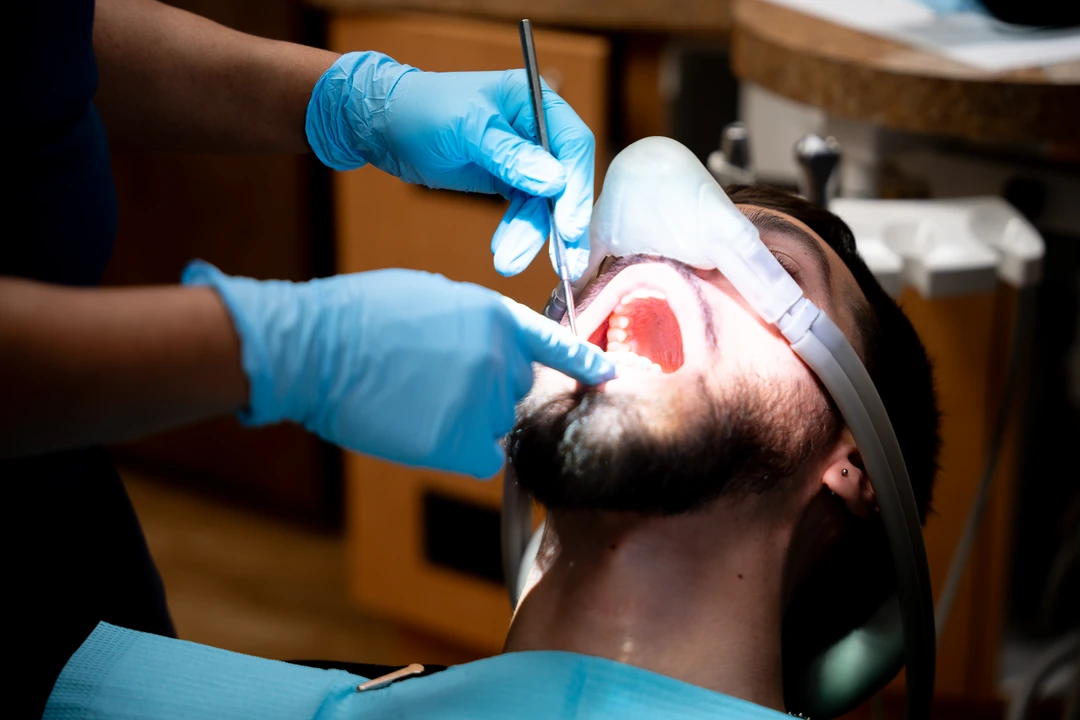
Why should I choose sedation?
Dental care shouldn’t be something you dread. Sedation allows you to stay calm and comfortable throughout your treatment, helping reduce anxiety and discomfort. With sedation, you can focus on your health instead of your nerves and leave your appointment feeling positive about your experience. If you’ve been curious about sedation, we’re happy to talk through your options and help you choose what feels right for you.
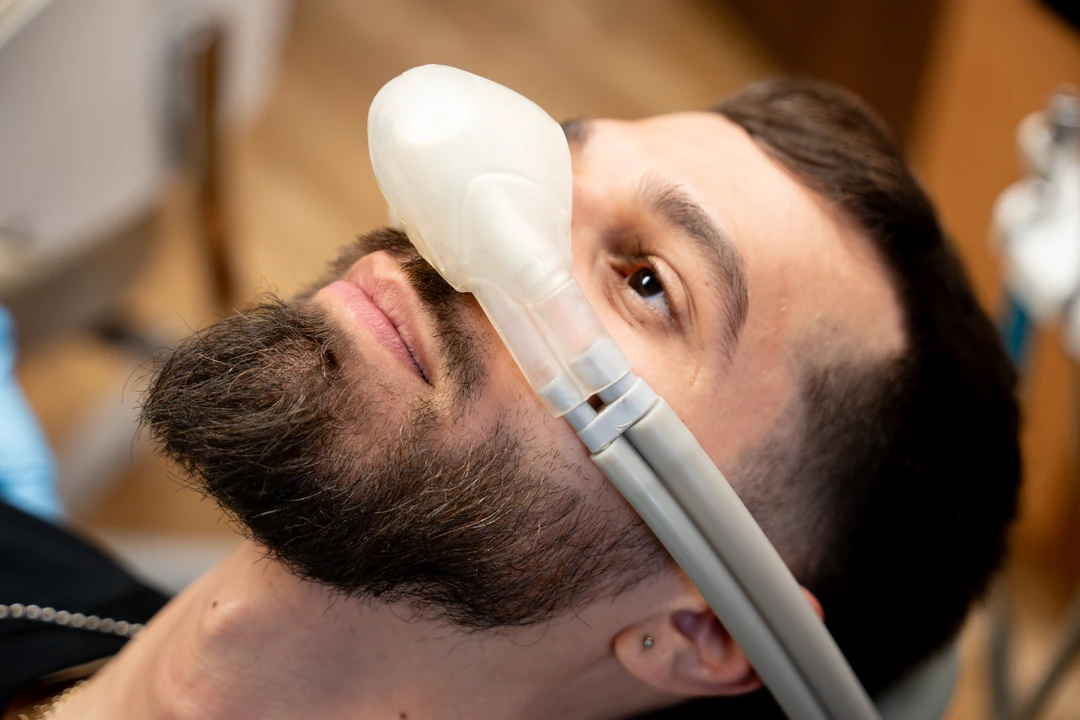
IV Sedation
IV sedation is delivered directly into your bloodstream via an IV, causing you to enter into a deeply relaxing state. Many patients fall asleep during their treatment with IV sedation. While you may forget your procedure, you can still be woken up and respond to commands.

General Anesthesia
For patients undergoing invasive procedures, we proudly offer general anesthesia. An IV will be placed to administer the anesthesia, and once you are comfortably sedated and breathing through a ventilator, you will become completely unconscious. You will not feel anything or remember anything about your procedure.
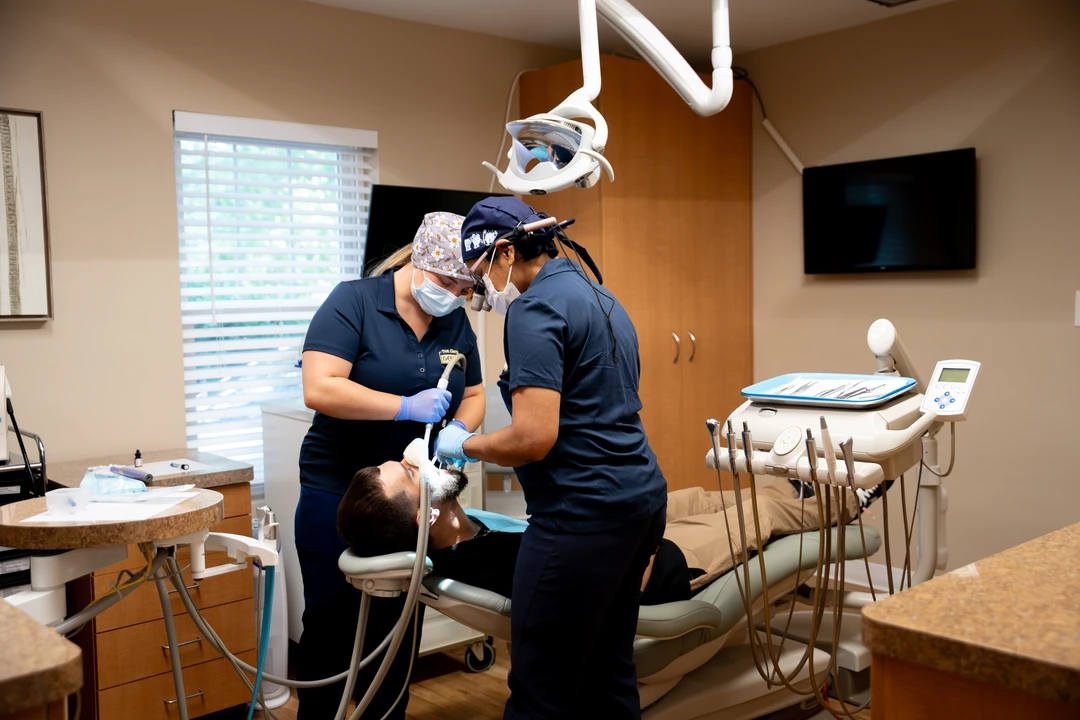
Nitrous Oxide
We offer nitrous oxide (laughing gas) as a safe and effective sedation option to help patients feel calm and comfortable during dental treatment. It works quickly, wears off fast, and allows you to remain awake and responsive throughout your visit. This gentle option is ideal for easing anxiety and making appointments more relaxing.
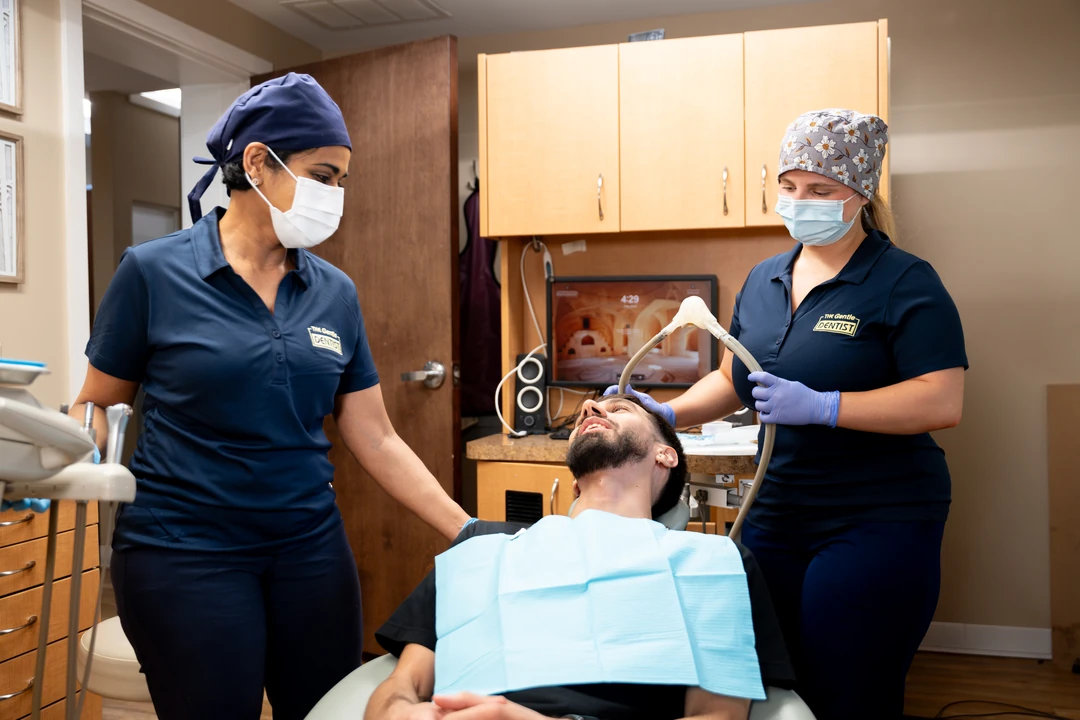
Oral Conscious
If you’re looking for a sedative that will cause you to forget most of your procedure, we offer oral conscious sedation. This method uses a strong pill or liquid sedative that you’ll take about 30-60 minutes before your procedure for a peaceful, pleasant experience.

The Benefits of Sedation
Smoother Appointments
Sedation helps your body stay relaxed, reducing movement and allowing procedures to be completed more efficiently, often in less time.
Greater Precision
By minimizing reflexes like gagging or discomfort, sedation allows your dentist to work with improved accuracy and fewer interruptions.
Better Experiences
Comfortable, pain-free visits can reshape how you feel about dental care. Over time, positive experiences can ease anxiety and build confidence.
The Sedation Treatment Process
Health & Treatment Evaluation

Health & Treatment Evaluation
Your dentist will begin by reviewing your treatment needs and medical history to determine whether sedation is appropriate. This ensures your care is safe and customized to your health.
Address Needs & Concerns

Address Needs & Concerns
Next, you’ll discuss your comfort preferences, anxiety levels, and any specific worries you may have. This conversation helps guide the sedation choice that best fits you.
Discuss Recommendations & Options

Discuss Recommendations & Options
Finally, your dentist will explain each available sedation option, what to expect, and any potential side effects. Together, you’ll decide on the best approach for a relaxed, worry-free visit.
FAQ's
Frequently Asked Questions
Check out these frequently asked questions, or call us to speak with our team.
Sedation is commonly used to ease dental anxiety and make procedures more comfortable. It’s especially helpful during complex treatments, longer appointments, or for patients who feel uneasy about dental care.
Most healthy patients qualify for sedation dentistry. Factors like medications, medical history, and overall health will be reviewed to determine the safest option for you. Contact us to discuss your situation.
The experience of sedation varies. Nitrous oxide creates a light, relaxed feeling while keeping you awake and aware.Oral consciousness and IV sedation often cause deep relaxation and drowsiness, with little memory of the procedure. General anesthesia places you fully asleep for the duration of treatment.